Aluminum or Wood for Kitchens?
The most common question before tailoring a kitchen: aluminum or wood? The answer is not the same for everyone — each material has advantages and disadvantages, and the right choice depends on your use, budget and home climate.
The guide
Aluminum: withstands humidity and cooking steam, does not rust, does not absorb water, is easy to clean, and keeps its look for years. Its downside is that it conducts heat, and the metallic feel does not appeal to everyone, while cheap types can be light.
Wood: has a warm, natural look and a luxurious feel, but it is affected by humidity and water if not well insulated, needs more care, and may swell or peel with leaks. Good wood is expensive, and cheap wood has a short life in the kitchen.
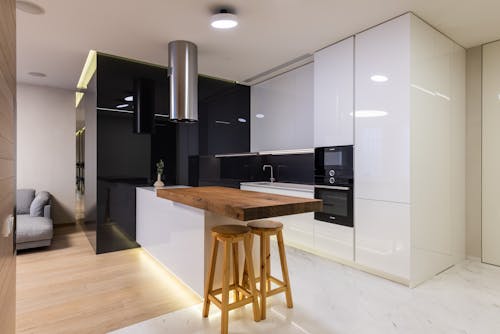
Conclusion: if your kitchen is heavily used and exposed daily to humidity and steam, aluminum is a practical, long-lasting choice. If the wooden look is a top priority and you have a budget for well-treated quality wood, wood is suitable — and you can combine both: an aluminum frame with wood-look fronts (alumwood) for those who want both looks.
Frequently asked questions
No, it depends on your use. For high humidity and heavy use, aluminum wins; for a warm look, wood may be preferred.
Yes, alumwood combines the look of wood with the strength of aluminum.
Aluminum usually lasts longer in the humid kitchen environment.
Order your kitchen service now
Call us or message us on WhatsApp, and we will arrange a visit for inspection and measurements.